
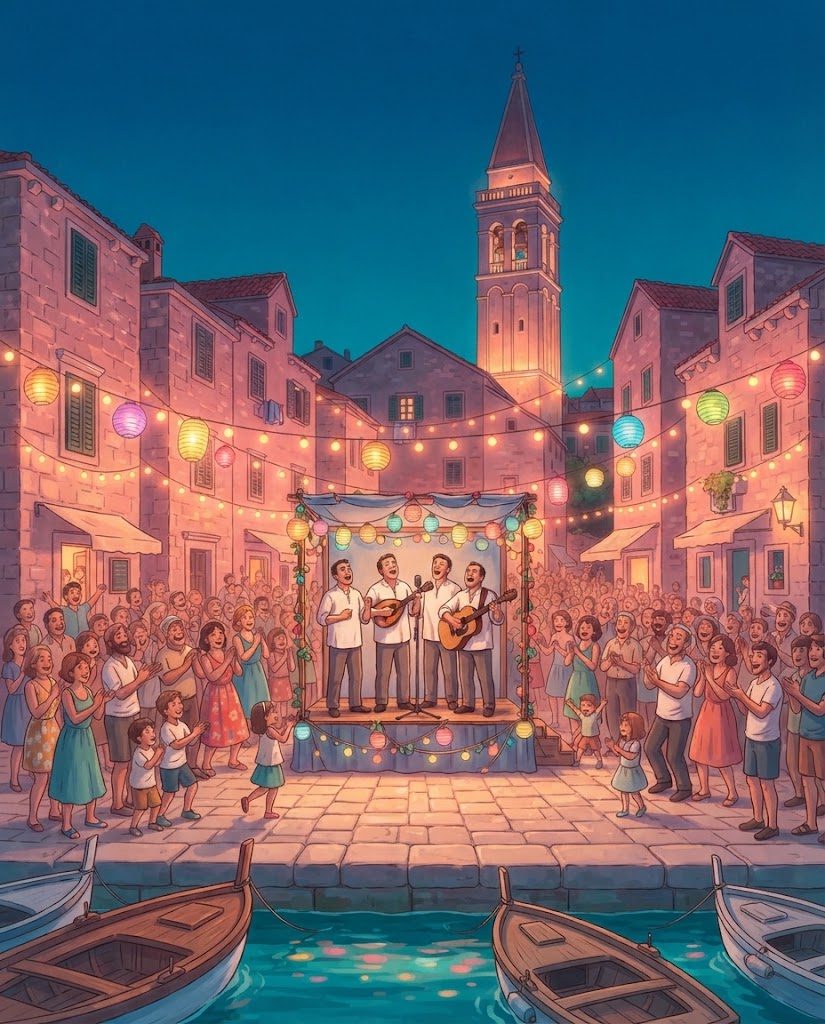
Tribunj gives you a relaxed Adriatic setting for summer festivals, local celebrations and open-air events. You can combine music, seaside dining and traditional Dalmatian culture while exploring the village and nearby towns.
For the best festival and summer event near Tribunj, plan around the town’s traditional Fishermen’s Night, known locally as Ribarska Noć, with fresh seafood, local music and a lively waterfront atmosphere. The surrounding Šibenik area also offers cultural festivals, concerts and food-and-wine events during the summer.
You can make your visit more enjoyable by checking dates in advance, booking accommodation early and allowing time for nearby cultural outings. This guide covers Tribunj’s summer atmosphere, signature celebrations, local dining and practical ways to enjoy events responsibly.
Summer Atmosphere In Tribunj
Tribunj combines a compact historic centre, fishing traditions and a busy programme of summer events. You can expect lively waterfront evenings, local food, music and warm Mediterranean weather, with the busiest atmosphere concentrated from late June to August.
What Makes The Village Special
Tribunj sits on a small island connected to the mainland by a stone bridge. As you walk through the old centre, you find narrow lanes, traditional stone houses and waterfront restaurants beside working boats. This setting gives summer events a distinctly local character rather than the feel of a large commercial festival.
Fishing remains central to the village identity. During Fishermen’s Night, usually held in late July, you can experience seafood, live entertainment and celebrations linked to Tribunj’s maritime heritage. The Traditional Donkey Race, held on the first Sunday in August, adds a different local tradition and honours the animal historically used in the area.
The summer programme also includes concerts, cultural performances, children’s entertainment, exhibitions and sports activities. You can move easily between the harbour, main square and old-town streets, so many events work well as part of an evening walk.
Peak Season Weather And Crowds
From late June through August, Tribunj usually offers hot, dry days and warm evenings. July and August provide the most reliable conditions for outdoor concerts, waterfront dining and late-night events, although midday temperatures can feel intense. Plan sightseeing for the morning or late afternoon, and carry water and sun protection.
Crowds increase sharply during the main festivals and in August. The harbour, bridge and old-town streets become particularly busy during Fishermen’s Night and the donkey race, while smaller concerts and children’s events often create a more relaxed atmosphere.
Book accommodation early if you plan to visit during peak season. Arrive before evening events to find parking outside the centre and secure a good position near the performance or procession route. Consider visiting in June or September for warmer weather, easier movement and fewer visitors.
Signature Local Celebrations
Tribunj’s summer calendar combines maritime customs, village food, live music and traditional performance. You can enjoy the donkey race in the old centre, sample freshly prepared seafood during fishermen’s evenings and hear Dalmatian songs alongside Croatian folklore.
Tribunj Donkey Race
The Tribunj Donkey Race is the town’s best-known traditional spectacle. Riders compete on donkeys along a course in the historic centre, creating a lively event that reflects Tribunj’s long connection with farming, fishing and working animals.
You can watch from the streets around the course, but arrive early if you want a clear view. The race usually draws residents and visitors together, with informal entertainment, refreshments and a busy atmosphere before and after the competition.
Check the local tourism office’s event calendar for the confirmed date, starting time and any traffic restrictions. The programme may change each year, so do not rely on a fixed date when planning your visit.
Fishermen’s Evenings
Fishermen’s Evenings focus on Tribunj’s coastal heritage and local cooking. During these summer gatherings, you can try dishes based on the day’s catch, including grilled fish and other seafood, while local performers provide music in an open-air setting.
The event suits visitors who want a relaxed evening rather than a large commercial festival. Food stalls and informal seating allow you to eat at your own pace, while the waterfront and stone streets provide a distinctive setting.
Expect crowds during the main evening hours, particularly in July and August. Carry cash for smaller food stands, and ask vendors about ingredients if you have allergies or dietary requirements.
Traditional Music And Folklore
Tribunj hosts traditional music and folklore performances during the summer, often as part of wider cultural evenings. You may hear Dalmatian songs, see regional costumes and watch organised folk dances that preserve customs from the surrounding Šibenik area.
These performances usually take place in public squares or near the waterfront, making them easy to combine with an evening walk or dinner. Local groups may perform alongside visiting ensembles, giving you a chance to compare different Croatian musical and dance traditions.
Look for programme notices from the Tribunj Tourist Board, as dates and locations vary. Some events are free, while others form part of a larger festival or community celebration.
Food, Wine And Seaside Dining
Near Tribunj, you can pair freshly caught Adriatic seafood with wines and olive oils from the wider Dalmatian coast. Choose waterfront restaurants for relaxed evening meals, or visit local producers and markets to try regional ingredients at their source.
Dalmatian Seafood Specialities
Tribunj’s coastal location makes grilled fish, prawns, squid and octopus central to local dining. Look for brudet, a slow-cooked fish stew often served with polenta, or order grilled sea bream and dentex with Swiss chard and potatoes. Black cuttlefish risotto offers a richer option, coloured and flavoured with cuttlefish ink.
For the freshest meal, ask what arrived that morning rather than choosing only from the printed menu. Fish sold by weight may cost more than prepared dishes, so confirm the price and portion before ordering. Waterfront dining gives you views across the harbour, while restaurants slightly inland can offer a quieter setting and sometimes better value.
Local Wine And Olive Oil
Pair seafood with crisp white wines from Dalmatia. Pošip provides a fresh, rounded match for grilled fish, while Debit, a northern Dalmatian variety, works well with shellfish and lighter dishes. If you prefer red wine, try a small pour of Plavac Mali with octopus, tuna or slow-cooked specialities.
Extra-virgin olive oil adds another local touch. Producers around the Šibenik region often sell oils made from native olives, with flavours ranging from grassy and peppery to soft and mild. Taste the oil with bread before buying, and check the harvest date and storage details. At the table, use it sparingly over grilled fish, tomatoes or warm vegetables.
Nearby Cultural Days Out
From Tribunj, you can reach lively coastal programmes in Vodice, heritage events in Šibenik and summer celebrations across Murter Island. Check official listings before travelling, as dates, venues and ticket arrangements can change each year.
Vodice Summer Programme
Vodice lies roughly 5–7 kilometres east of Tribunj, making it one of the easiest nearby destinations for an evening out. Its summer calendar typically combines open-air concerts, traditional performances, food events and activities along the waterfront and in the old town.
You can usually find the busiest atmosphere around the riva, town squares and central beaches. Local celebrations may include klapa singing, Dalmatian specialities, craft stalls and evening entertainment, while larger concerts often attract visitors from across the Šibenik region.
Travel by car, taxi or local bus, but expect limited parking during peak evenings. Arrive early if you want a table near the waterfront, and check the Vodice tourist board or town event calendar for confirmed programmes.
Šibenik Cultural Events
Šibenik is about 15 kilometres from Tribunj and offers a broader cultural programme than the smaller resort towns. The historic centre, waterfront and St Michael’s Fortress host concerts, theatre, dance and film events during the warmer months.
The Šibenik Evening of Dalmatian Chanson and the Šibenik International Children’s Festival are established cultural events, although their dates and formats vary. The fortress venues provide strong views and memorable settings, but you should check access arrangements, seating and ticket requirements before travelling.
Combine an event with a walk through the stone lanes, a visit to St James’ Cathedral and dinner in the old town. If you do not want to drive after an evening performance, arrange a taxi in advance or check available bus connections to Tribunj.
Island Murter Festivities
Murter Island sits north-west of Tribunj and offers a choice of local festivals, harbour celebrations and cultural gatherings across places such as Murter, Betina, Tisno and Jezera. Each settlement has its own programme, so the experience can differ considerably from one village to another.
You may encounter klapa performances, fishing traditions, religious processions, folk dancing, boat-related events and seasonal food fairs. Betina is particularly associated with traditional wooden boatbuilding, while Murter and Jezera often provide lively waterfront settings for summer entertainment.
Distances are manageable, but island roads and village parking become busy during popular events. Use the official tourist-board calendars for Murter, Tisno, Jezera and Betina, and allow extra time if you plan to travel between several festivities in one evening.
Planning Your Visit
Check event dates, opening hours and ticket rules before travelling. Book accommodation early for major Columbus festivals, then plan parking, public transport and weather-appropriate clothing around the venue.
Best Times To Attend
Choose your arrival time based on the event format. Music festivals and large outdoor celebrations often attract the biggest crowds from late afternoon into the evening, while food fairs and family events usually feel easier to manage soon after opening.
Check the official event page for the 2026 schedule, admission details and any timed entry requirements. Some festivals offer free admission but charge for food, drinks, rides or premium activities. If you want a quieter visit, attend on a weekday or during the first few hours.
Columbus summers can bring heat, humidity and sudden rain. Wear light clothing, comfortable closed-toe shoes and sun protection, and carry a refillable water bottle where the venue permits it. Review the forecast before setting out and confirm whether organisers allow umbrellas, backpacks or outside food.
Getting Around The Area
Check the venue address carefully because events may take place in downtown Columbus, neighbourhood parks or surrounding Central Ohio communities. Use the official parking information rather than assuming nearby streets will remain available during a busy festival.
For downtown events, COTA buses and the CBUS circulator can reduce the need to park near crowded streets. If you drive, reserve a car park where possible and arrive early; large festivals may close roads or create temporary traffic restrictions.
Ride-hailing services can help, but festival pick-up points may sit several streets from the main entrance. Save the location before entering, keep your phone charged and agree on a meeting point if you attend with others. Cycling may suit some venues, although you should confirm bike-parking arrangements first.
Accommodation Booking Tips
Reserve your room as soon as you confirm your festival plans, particularly for popular summer weekends, concerts and major city celebrations. Downtown hotels provide convenient access to central venues, while accommodation near the airport or outer suburbs may offer more parking and lower rates.
Compare the total cost rather than the nightly price alone. Check resort fees, parking charges, breakfast, cancellation terms and public transport access before booking. A refundable rate can provide useful flexibility if the event changes because of severe weather.
If you stay outside central Columbus, calculate the journey at festival closing time rather than during a quiet afternoon. Ask the property about late check-in, luggage storage and transport options, and keep your booking confirmation available on your phone.
Responsible Event Enjoyment
Enjoy local customs, protect Tribunj’s coastal environment, and support organisers and businesses that manage events responsibly. Small choices—such as respecting village spaces, carrying reusable items and disposing of waste correctly—help keep summer celebrations welcoming for residents and visitors.
Respecting Local Traditions
Tribunj has strong maritime and Dalmatian traditions, so treat religious processions, fishing ceremonies and village celebrations as community occasions rather than performances. Keep a respectful distance, avoid blocking routes, and ask before photographing residents, performers or private gatherings.
Dress modestly when entering churches or attending religious events. Follow instructions from organisers, local authorities and venue staff, especially around swimming areas, boat routes, traffic diversions and busy waterfront spaces.
Support the local economy by buying food, drinks and crafts from legitimate vendors. Choose restaurants and shops in Tribunj, Vodice and nearby villages instead of bringing everything from outside. Speak quietly near homes at night, keep music within event areas, and leave streets clear for residents and emergency services.
Reducing Waste By The Coast
Bring a refillable bottle, reusable cutlery and a small bag for personal rubbish. Use marked bins for recycling and general waste, and take your belongings with you if bins are full. Never leave cigarette ends, bottle caps or food packaging on beaches, pavements or harbour walls.
Keep plastic, oils and detergents away from the sea. Do not wash equipment with soap at the shoreline, and avoid disposable inflatables that can break apart or drift into the water. If you travel by boat, secure all supplies and return waste to shore for proper disposal.
Choose events that provide reusable cups, water refill points and clearly labelled recycling stations. Walk, cycle, share a taxi or use local buses where practical, particularly during crowded summer evenings when parking near the waterfront becomes limited.